Hygiene in the Neonatal Intensive Care Unit
Dear parents of children admitted to the Neonatal Intensive Care Unit, we want to do our best to protect your baby and provide safe and professional treatment and care. To achieve this, we need your help. We hope you will take the time to read and familiarise yourself with our recommendations in this hygiene guide. Please ask us if there is anything you are unsure about.
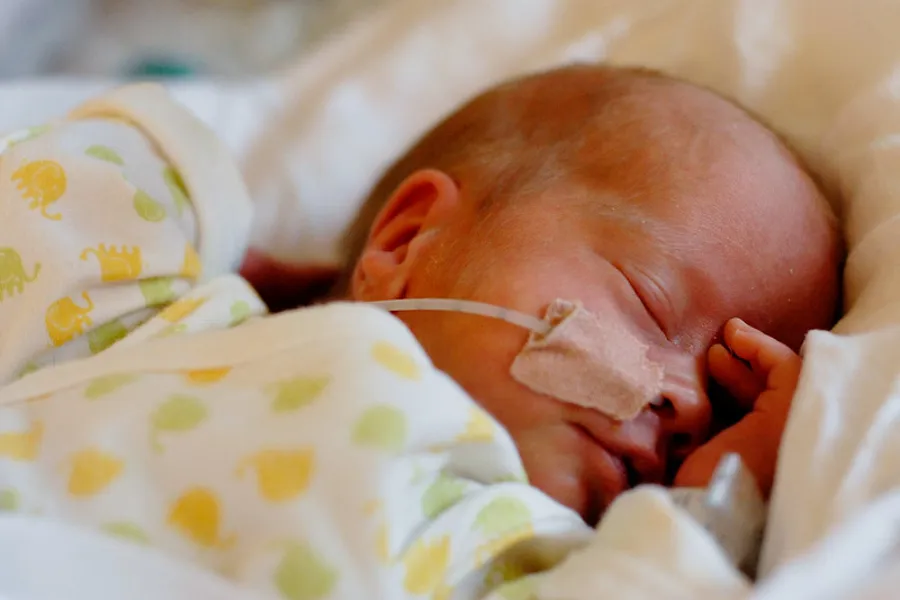
In a hospital environment, there are more bacteria, and they are often more resistant, than in your own home. Some bacteria are more aggressive and can cause serious infections.
In an intensive care unit, several sick children may often share the same room. This affects the amount of bacteria in the environment and increases the risk of transmission of infection.
Infections are almost always transmitted through our hands. This is why good hand hygiene is extremely important and the most important thing you can do to protect your child from infection.
There are the most bacteria on surfaces that many people touch with their hands, such as door handles, lift buttons, taps, chair armrests and mobile phones. Healthy people can tolerate bacteria on their skin. However, sick and premature babies can become seriously ill.
You can protect your child from infections by practising good hand hygiene. It is important that you clean your hands before touching or caring for your child, to prevent harmful and unwanted bacteria from being transferred to your child’s skin. These bacteria can spread further and may sometimes cause infections in areas such as the blood, lungs or eyes.
The best thing you can do for your child is to disinfect or wash your hands thoroughly and frequently.
Good hand hygiene
There are two ways to clean your hands:
- Hand disinfection using alcohol-based hand rub
- Thorough hand washing with soap and water
Hand disinfection with alcohol-based hand rub is the most effective method, and this is what we recommend you use. However, in a few situations you should wash your hands with soap and water:
- If your hands are visibly dirty
- After using the toilet
- Before meals
- Before and after expressing breast milk
In all other situations, use hand disinfection.
Both handwashing and hand disinfection

Handwashing with soap and water
Use a total of 40–60 seconds:
- Wet your hands with water
- Apply enough soap to cover all hand surfaces
- Rub palms together
- Rub the right palm over the back of the left hand, including between the fingers, and vice versa
- Rub palms together with fingers interlaced
- Rub the backs of the fingers against the opposite palm with fingers interlocked
- Grasp the left thumb with the right hand and rub with a rotational movement, and vice versa
- Place the fingertips of the right hand in the left palm and rub in a circular motion, and vice versa
- Rinse hands under running water
- Dry hands thoroughly with a disposable towel
- Use the towel to turn off the tap
Hand disinfection
With alcohol-based hand disinfectant. Use a total of 20–30 seconds:
- Apply enough hand disinfectant to cover all hand surfaces
- Rub palms together
- Rub the right palm over the back of the left hand, including between the fingers, and vice versa
- Rub palms together with fingers interlaced
- Rub the backs of the fingers against the opposite palm with fingers interlocked
- Grasp the left thumb with the right hand and rub with a rotational movement, and vice versa
- Place the fingertips of the right hand in the left palm and rub in a circular motion, and vice versa
- Once the hands are dry, they are clean
- If your hands feel dry before 10–15 seconds have passed, you have probably used too little hand disinfectant
These guidelines apply to you and all other visitors. Please ensure that everyone who comes to visit performs proper hand hygiene, just as you do. We hope you will help us keep the unit as clean and free from bacteria as possible.
Please ask us if you have any questions. We will do our very best to make your stay in the neonatal intensive care unit as good as possible for you and your baby.